Archive

Smoke Control CFD Case Studies

A collection of published project examples showing how smoke control CFD supports practical design decisions, technical reviews, and approval-focused reporting.

Case Studies

Published Project Archive

Each case study below opens as its own standalone page, with focused detail on the relevant building type, system, and design challenge.

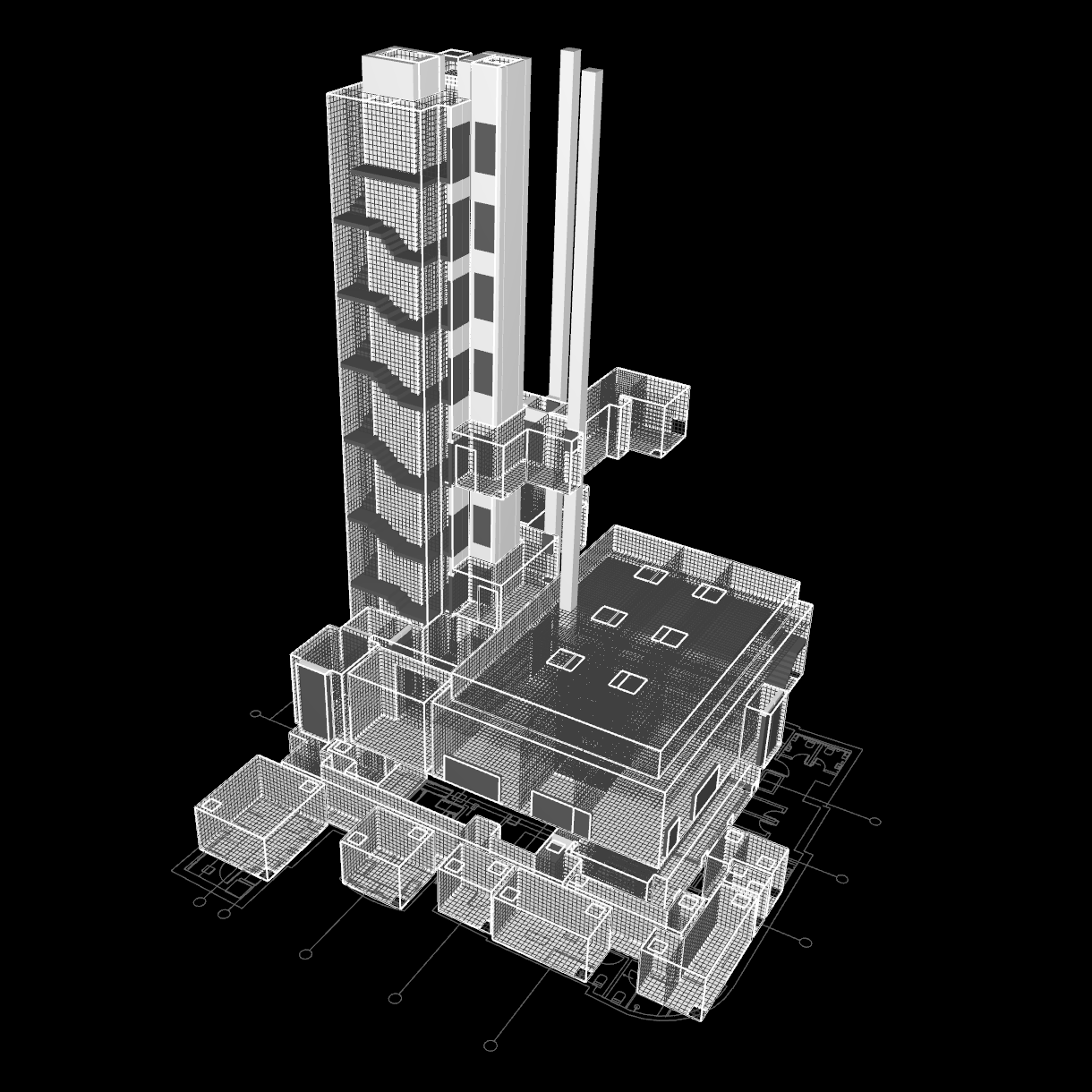
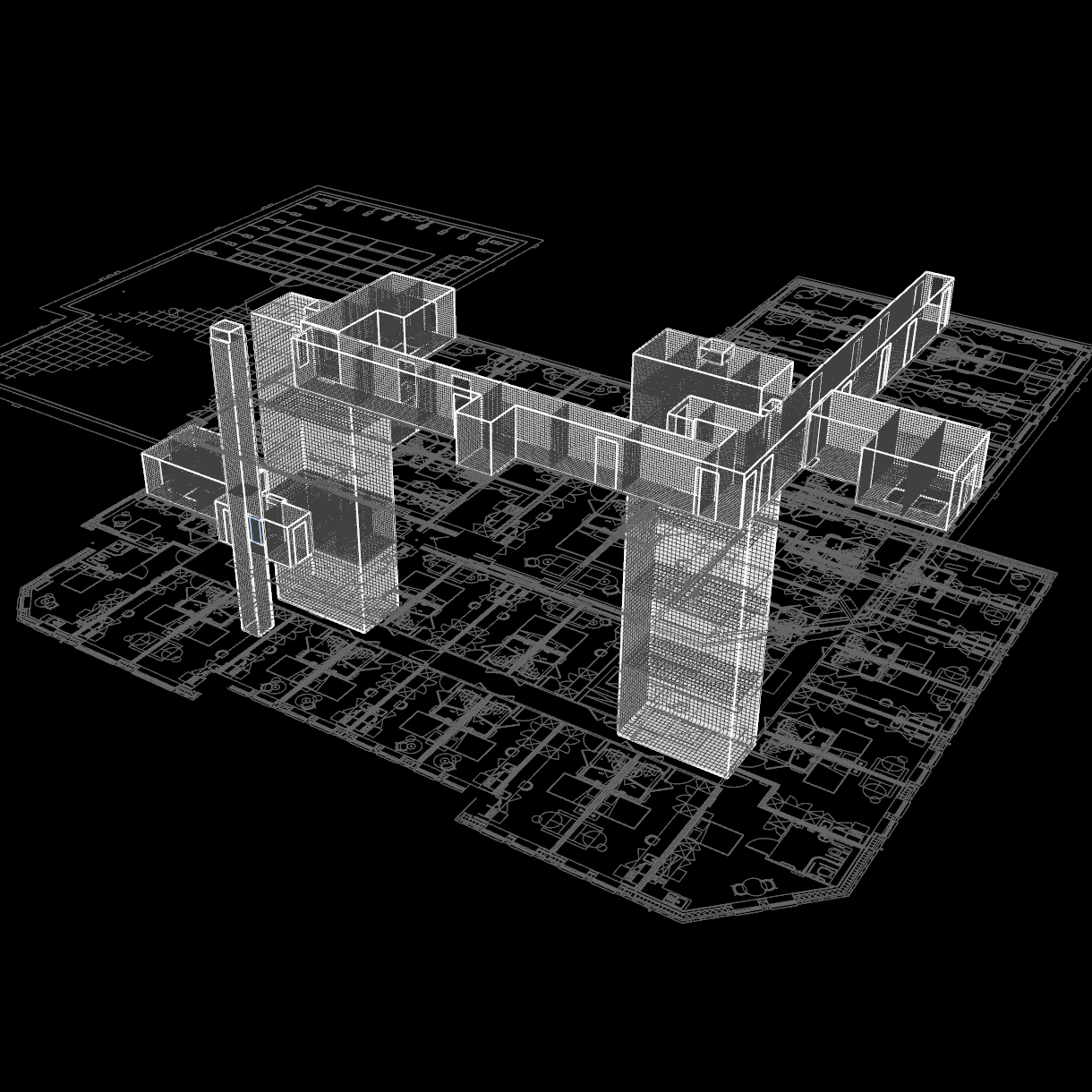
CFD model of student accommodation corridors and stair cores

Case Study 1 — Student Accommodation

Corridor and lobby smoke control across six fire scenarios

CFD analysis of escape routes, protected stairs and evacuation lift lobbies, providing performance insights for a student accommodation smoke control strategy.

Read Case Study 1
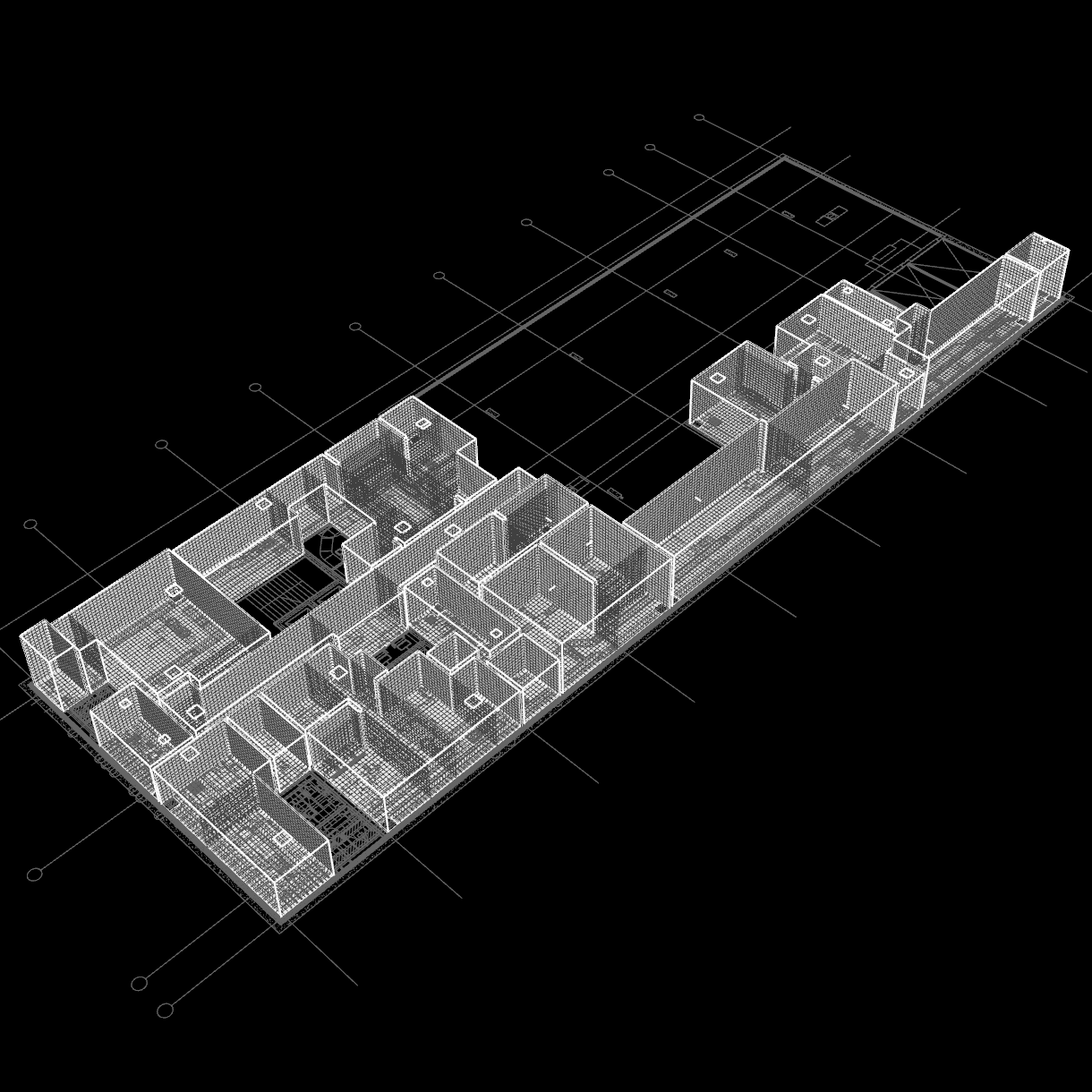
Subterranean accommodation smoke clearance CFD output

Case Study 2 — Subterranean Accommodation

Tracer gas smoke clearance optimization across 19 basement compartments

A tracer-gas-based CFD methodology used to verify uniform volumetric clearance, eliminate stagnancy, and optimize a complex ducted smoke clearance network serving deep basement ancillary spaces.

Read Case Study 2
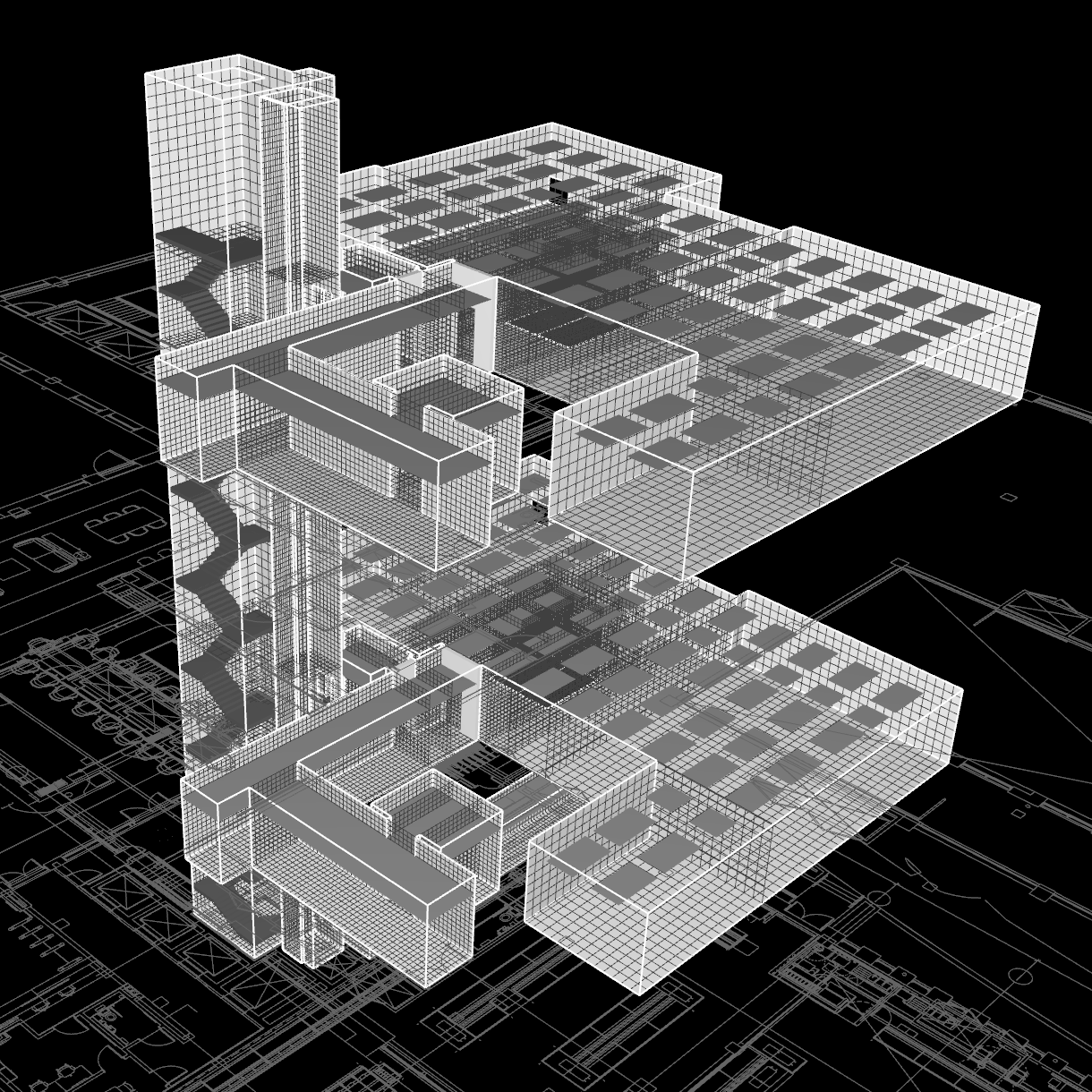
CFD model of a basement car park ventilation system

Case Study 3 — Basement Car Park

Smoke clearance and pollution control for a phased car park

Tracer-gas CFD analysis demonstrating ventilation performance across both operating modes of an interim basement car park layout.

Read Case Study 3
Listed luxury London hotel smoke control CFD output

Case Study 4 — Listed Luxury London Hotel

Engineered building-wide smoke control strategy

Performance-based CFD covering stairs, lobbies, firefighting shaft interfaces, the basement bar area, and the ground-floor restaurant.

Read Case Study 4
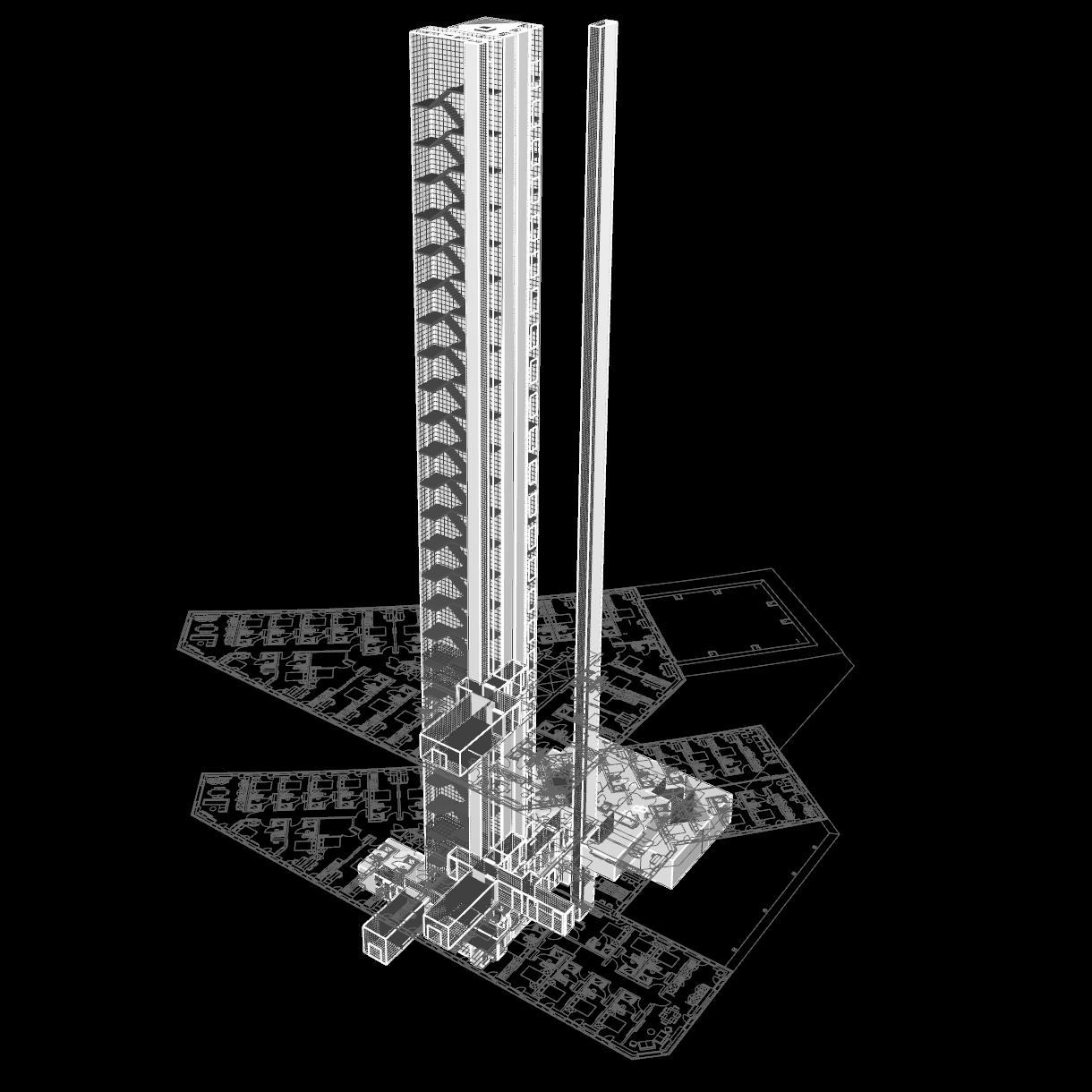
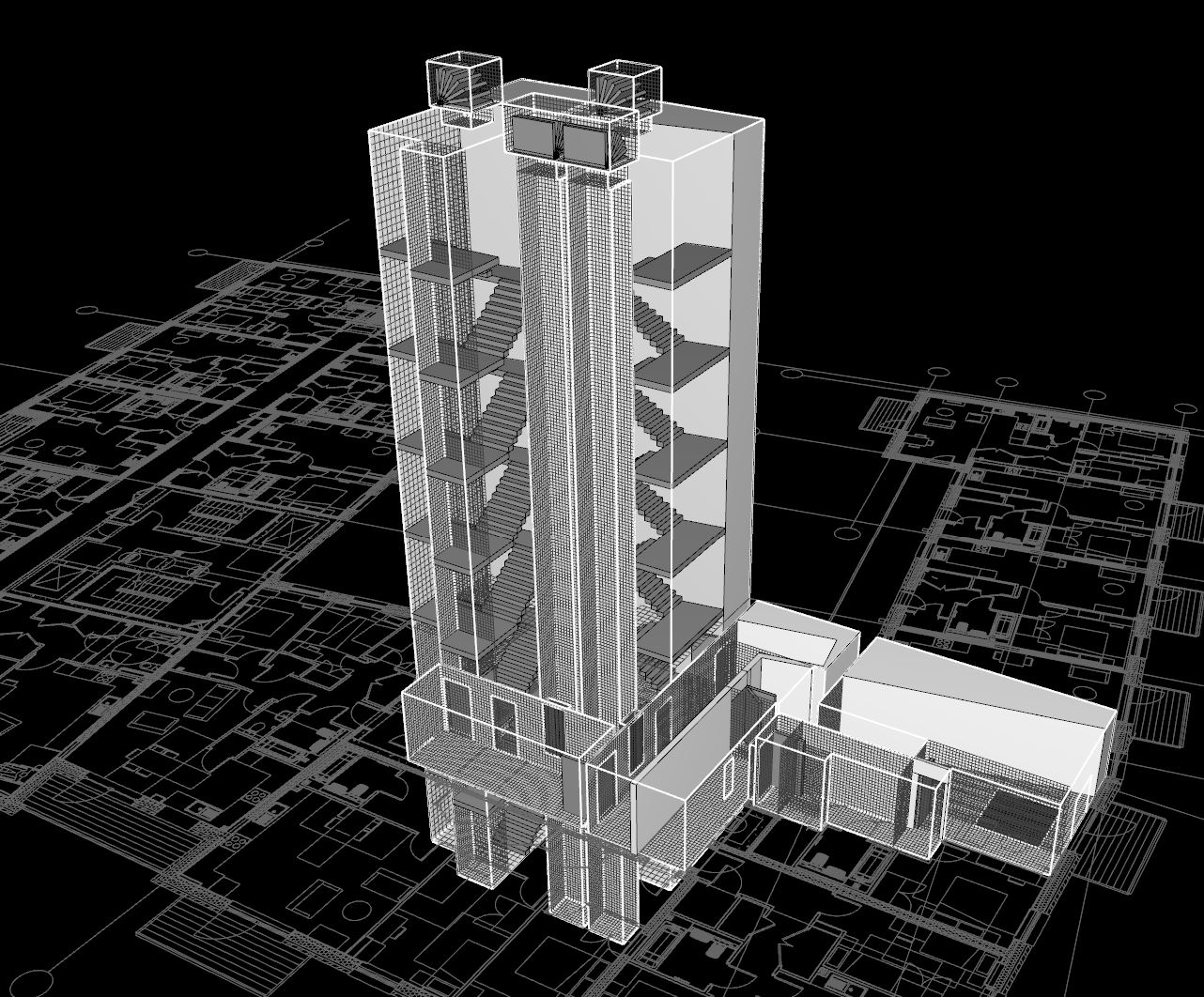
High-rise residential reverse stack effect CFD output

Case Study 5 — High-Rise Residential

Reverse stack effect mitigation and firefighting shaft optimization

CFD validation of governing summer reverse stack conditions, compliant door operability, and smoke-free escape routes in an 85-metre residential tower.

Read Case Study 5
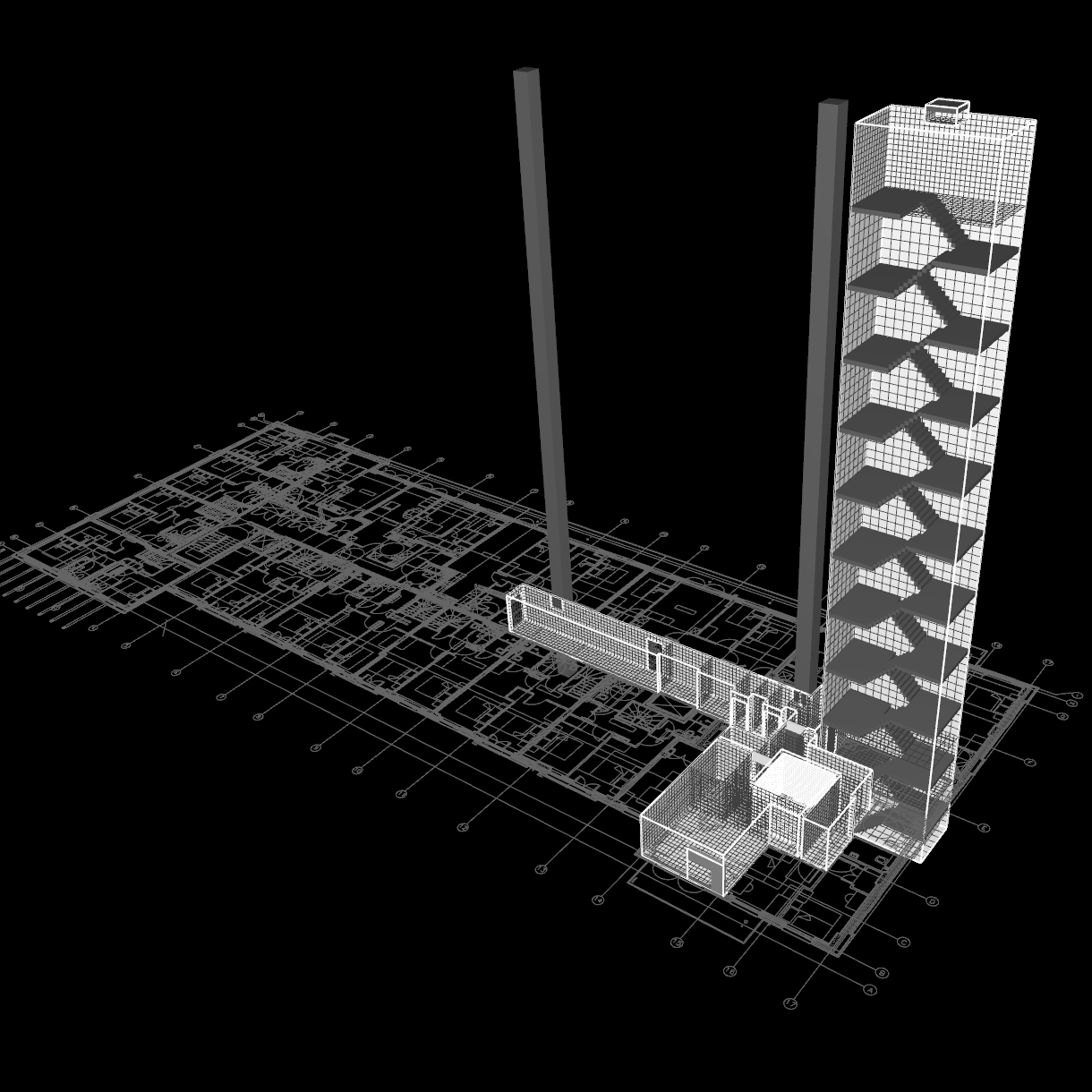
Residential dual-shaft ventilation CFD output

Case Study 6 — Residential Complex

Dual-shaft smoke ventilation with dynamic under-pressure control

Sensor-driven supply and extract logic validated by CFD to keep corridors tenable while staying below pressure thresholds that affect door usability.

Read Case Study 6
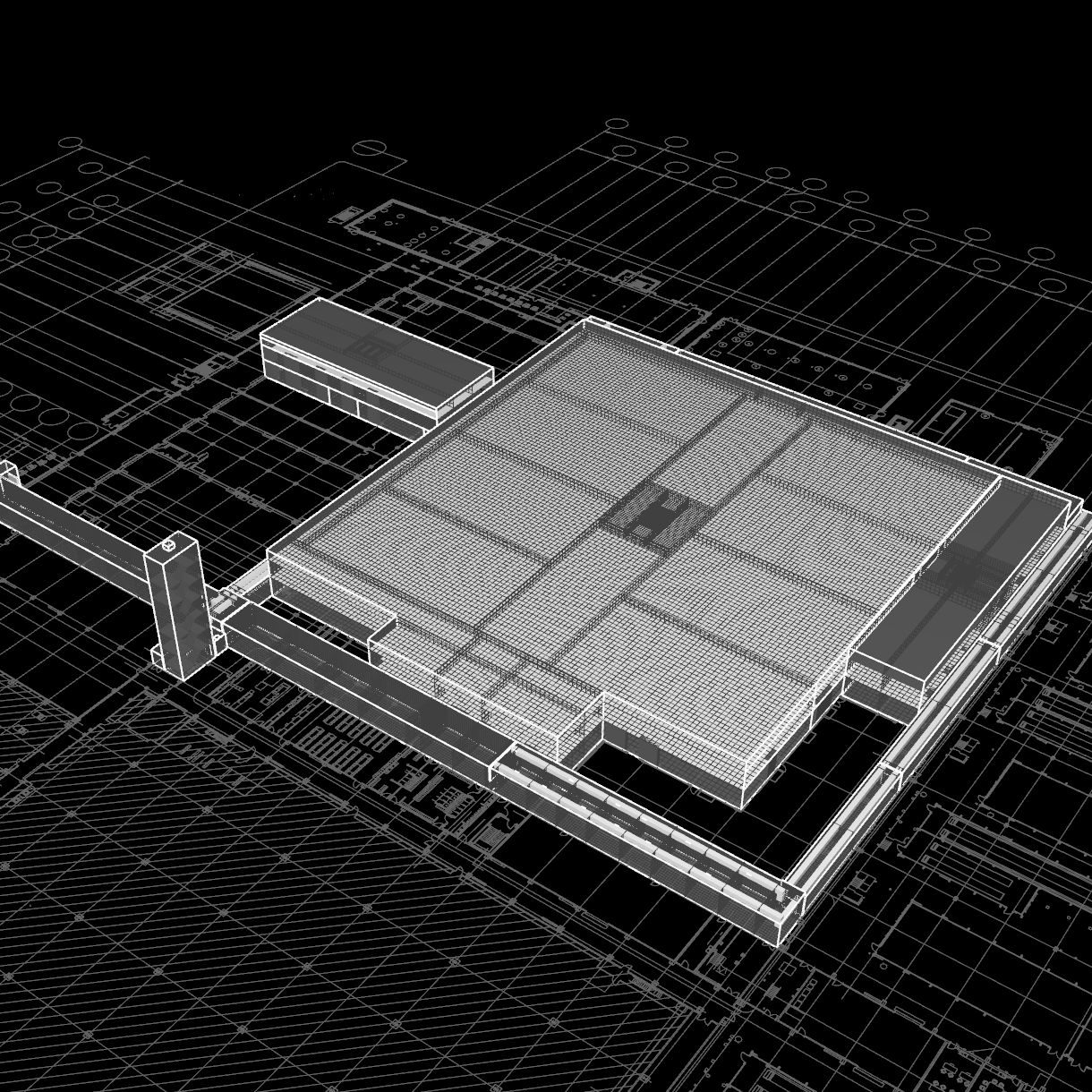
Large-scale industrial facility smoke exhaust CFD output

Case Study 7 — Large-Scale Industrial Facility

High-volume smoke exhaust and sprinkler interaction analysis

Ultra-high-resolution CFD quantifying tenability, ventilation control, and sprinkler-smoke interaction over extended industrial firefighting timelines.

Read Case Study 7
Residential corridor and stair smoke control CFD output

Case Study 8 — Residential Development

Corridor tenability confirmed with targeted stair protection refinement

Residential smoke control CFD comparing shaft strategies, demonstrating corridor performance and informing stair protection design.

Read Case Study 8
Commercial smoke control benchmarking CFD output

Case Study 9 — BS 9999 Firefighting Shaft

Mechanical smoke control benchmarked against a BRE natural shaft

Comparative FDS analysis showing a proposed mechanical strategy outperformed a BRE-style natural shaft benchmark across upper-floor and lower-floor fire scenarios.

Read Case Study 9
Basement car park ventilation and smoke clearance CFD output

Case Study 10 — Basement Car Park

Mechanical ventilation validated for pollution control and smoke clearance

Tracer-gas and fire-mode CFD analysis of a basement car park ventilation system with induction fans, showing uniform airflow, no persistent dead zones, and strong clearance performance.

Read Case Study 10
Basement car park pulse ventilation CFD output

Case Study 11 — Basement Car Park

Mechanical impulse smoke clearance and pollution control

Detailed CFD validation of an enclosed basement car park using jet fans, tracer gas decay, and dual-mode operation for pollution control and smoke clearance.

Read Case Study 11
CFD model of residential corridors, stairs and smoke ventilation shafts

Case Study 12 — Residential Development

Coordinated corridor and lobby smoke control

CFD analysis of mechanical extract, natural make-up air and protected routes across an interconnected residential development.

Read Case Study 12